
Buying a Boat
New vs Used Boats: A First-Time Buyer's Guide
Buying your first boat comes down to one big fork in the road: new or used? Here is an honest look at how they really compare — warranty, depreciation, financing, and what to check on a pre-owned boat — so a first-time buyer can decide with clear eyes.

Key Takeaways
- Neither new nor used is universally "better." A new boat buys peace of mind and the latest features; a used boat buys more boat for the money and lets someone else absorb the steepest depreciation.
- Boats lose value fastest in their first few years, so a well-kept two-to-five-year-old boat often delivers the strongest value per dollar for a first-time buyer.
- The single most important step when buying used is a thorough inspection — ideally a professional survey and a sea trial — because condition, not age, determines what you're really buying.
- New boats come with a manufacturer warranty and the newest tech; used boats may have limited or no warranty, so the inspection and service history do the reassuring instead.
- If you're not sure how often you'll actually use a boat, a Freedom Boat Club membership lets you get on the water — and test the boating lifestyle — before committing to a purchase.
New vs Used: What Actually Matters
The new-versus-used debate gets framed as a money question, but for a first-time buyer it's really a question of priorities. A new boat optimizes for confidence and convenience: everything works, nothing is a mystery, and the manufacturer stands behind it. A used boat optimizes for value: someone else has already paid the steepest part of the depreciation curve, so your dollar stretches further.
The right answer depends on how you weigh three things: your budget, your tolerance for the unknown, and how long you plan to keep the boat. There's no wrong choice here — only the one that fits your situation. The rest of this guide walks through each factor so you can make that call, then points you to the parts of the process that protect you most.
The Case for Buying New
Buying new is buying certainty. Here's what that certainty gets you:
- Full manufacturer warranty. A new boat and its engine are covered, so an early mechanical problem is the manufacturer's expense, not yours. For a first-time owner still learning the ropes, that safety net is worth a lot.
- The latest technology and layout. Current-model boats bring the newest engines (often more fuel-efficient and quieter), updated electronics, better seating and storage, and the design refinements builders have made over the years.
- You choose the configuration. Color, engine, options, and packages are yours to spec rather than settling for whatever a used boat happens to have.
- No history to worry about. No previous owner's neglect, no salt damage you can't see, no maintenance shortcuts hiding under the deck. The boat's story starts with you.
- Often the best financing terms. Lenders tend to offer their strongest rates and longest terms on new boats, which can make the monthly payment surprisingly close to a comparable used model.
The tradeoff is price and depreciation. You pay full retail, and the boat's value drops fastest in the years you own it first. For buyers who plan to keep a boat a long time, that depreciation matters less — you're not selling any time soon.
The Case for Buying Used
Buying used is buying value — and, done carefully, it can be the smartest money in boating.
- More boat for your budget. Because boats depreciate, a used boat can put you in a larger, better-equipped model than a new one at the same price. First-time buyers often find their ideal layout is affordable used but a stretch new.
- Someone else took the first-year hit. The steepest depreciation happens early, so a lightly used boat lets the original owner absorb it while you get a boat that's still modern and capable.
- Proven, sorted-out boats. A well-maintained used boat has already had its early kinks worked out, and a documented service history tells you exactly how it was cared for.
- Lower entry cost overall. Purchase price, and sometimes insurance, can run lower — which leaves more room in the budget for the ongoing costs that come with any boat.
The tradeoff is uncertainty. A used boat's condition is only as good as its care, and problems can hide below the waterline or inside the hull. That's why the inspection step — covered below — is non-negotiable when buying used. Age isn't the risk; unknown condition is.

The Real Cost Difference: Depreciation
Depreciation is the cost nobody writes a check for, which is exactly why it drives the new-versus-used math. Like cars, boats generally lose value fastest in their first few years and more slowly afterward. That curve is the whole argument for used: buy a boat that's already a few seasons old and you skip the steepest part of the drop.
But depreciation is only one line in the total cost of ownership. Insurance, storage, fuel, maintenance, and winterization continue every year regardless of whether you bought new or used — and in the Northeast, seasonal storage and winterization are real line items. Before you fixate on the sticker difference, it's worth understanding the full annual picture. Our guide to the real cost of owning a boat breaks down every category so you can compare a new and a used boat on their true lifetime cost, not just the price tag.
One more thing that shapes resale value on either path: how the boat is bought and kept. Choosing a popular, well-supported brand, maintaining it on schedule, storing it well, and keeping the paperwork all put a boat at the strong end of its market when it's your turn to sell or trade.
Buying Used: What to Inspect
If you take one thing from this guide, make it this: never buy a used boat on looks alone. A shiny hull can hide an expensive problem, and a plain-looking boat can be mechanically perfect. Verify condition before money changes hands.
At minimum, check — or have a professional check — the following:
- The hull and structure. Look for stress cracks, soft spots in the deck or transom (a sign of water intrusion and rot), and evidence of past repairs.
- The engine and running gear. Ask for the engine hours and service records, inspect for corrosion and leaks, and check the propeller and lower unit. A compression test and a look at maintenance history tell you how the engine was treated.
- Electrical and systems. Test the electronics, lights, pumps, and battery. Corroded connections and improvised wiring are common on neglected boats.
- Signs of the boat's environment. Saltwater boats show more wear on hardware and running gear than freshwater ones; storage matters too, since covered boats age better than those left exposed.
- A sea trial. Run the boat on the water. Feel how it planes, listen to the engine under load, and confirm everything works underway — not just at the dock.
For any significant purchase, a professional marine survey is money well spent: an independent expert documents the boat's condition, which protects you and often helps with financing and insurance. Liberty Boat Group can help you line up an inspection — you can request an inspection report on a boat you're considering so you know exactly what you're buying.
Warranty, Financing, and Paperwork
Beyond condition, new and used boats differ in the fine print — and the differences matter to a first-time buyer.
Warranty
A new boat carries the manufacturer's warranty on the hull and engine. A used boat may have some of the original warranty remaining if it's recent, or none if it's older; some may qualify for an extended-service plan. When there's no warranty, the inspection and service history are what give you confidence, so weight them accordingly.
Financing
Both new and used boats can be financed, but terms differ. New boats often qualify for the best rates and longest terms, while older boats and smaller loan amounts can carry higher rates. Get a real quote for the specific boat you're considering rather than assuming — a strong used-boat rate can still make the monthly payment very manageable.
Paperwork
A clean sale means a clear title, a valid Hull Identification Number, current registration, and no outstanding liens. Buying through a dealer typically means the paperwork, title transfer, and registration are handled for you — one of the quiet advantages of not buying a used boat from a stranger.
Dealer Used vs a Private Sale
Used boats come from two places, and the difference is bigger than the price.
A private sale can be cheaper on paper, but you take on all the risk: you verify condition yourself, you handle the paperwork, and there's no recourse if something's wrong after the deal. It can work well for an experienced buyer who knows what to look for.
A dealer's used inventory costs a bit more but comes with support: boats are typically inspected and reconditioned, the paperwork and title transfer are handled, financing and insurance can be arranged in one place, and there's a real business standing behind the sale. For a first-time buyer especially, that guidance is worth paying for. It's the difference between hoping you got a good boat and knowing you did.
How to Decide
Work through these questions honestly and the answer usually reveals itself:
1. What's your real budget — all in? Not just the purchase, but insurance, storage, and upkeep. If new stretches you thin on the ongoing costs, a used boat keeps room in the budget.
2. How long will you keep it? Planning to own for many years? New makes more sense, since depreciation matters less and the warranty covers the early years. Think you'll trade up in a few seasons? Used lets someone else eat the depreciation.
3. How much uncertainty can you stomach? If the idea of an unknown history keeps you up at night, buy new (or buy dealer-used with a solid inspection). If you're comfortable verifying condition and value the savings, used rewards you.
4. What layout do you actually need? The right hull for how you'll boat — fishing, cruising, watersports — matters more than new versus used. If you're still deciding, our guide to center console vs dual console vs bowrider will help you match the layout to your life. Then browse our current boats for sale to see what fits, new and pre-owned side by side.
A Third Option: Try Before You Buy
Here's the honest truth for many first-time buyers: you don't yet know how often you'll actually use a boat, or exactly which type you'll love. Buying — new or used — is a big commitment to make on a guess.
A Freedom Boat Club membership is a low-commitment way to get on the water now, across different boat types, without a purchase, storage, or maintenance to manage. Plenty of members use the club as the smartest possible research phase — learning what they like — and then buy the right boat with confidence. And when you're ready to own, Liberty Boat Group can help you with both paths.
Browse Boats for Sale Explore Freedom Boat Club
Frequently Asked Questions
Is it better to buy a new or used boat?
Neither is universally better — it depends on your budget, how long you'll keep the boat, and your tolerance for the unknown. A new boat buys warranty coverage, the latest features, and peace of mind, but you pay full price and absorb the steepest depreciation. A used boat delivers more boat for the money and lets a previous owner take the first-year depreciation hit, but you must verify condition carefully. For many first-time buyers, a well-maintained boat a few years old offers the best balance of value and reassurance.
How much does a boat depreciate in the first year?
Like cars, boats generally lose value fastest in their first few years and more slowly after that, though the exact amount varies by brand, condition, and demand. The practical takeaway is that buying a boat that's already a couple of seasons old lets you skip the steepest part of that curve, which is the core financial argument for buying used. Choosing a popular, well-supported brand and keeping the boat well-maintained also helps it hold value better over time.
Should I get a used boat inspected before buying?
Yes — always. A used boat's condition is only as good as its care, and serious problems like a rotted transom, corroded engine, or hidden water intrusion aren't visible in a quick look. A professional marine survey plus a sea trial documents the boat's true condition, protects your money, and often helps with financing and insurance. Liberty Boat Group can help arrange an inspection so you know exactly what you're buying.
Can you finance a used boat?
Yes. Marine lenders finance both new and used boats, though terms differ — new boats often qualify for the best rates and longest terms, while older boats and smaller loan amounts can carry higher rates. Get a quote for the specific boat you're considering rather than assuming; a strong used-boat rate can still keep the monthly payment very manageable, and buying through a dealer lets you arrange financing, insurance, and paperwork in one place.
Do used boats come with a warranty?
It depends on the boat. A recent used boat may have some of the original manufacturer warranty remaining, and some qualify for an extended-service plan, but older used boats typically have no warranty. When there's no coverage, a thorough inspection and a documented service history are what give you confidence in the purchase. Buying dealer-used inventory, which is usually inspected and reconditioned, adds a layer of reassurance a private sale can't.
Ready to start looking?
Browse current inventory, or estimate a monthly payment before you fall in love with a hull.
Related articles
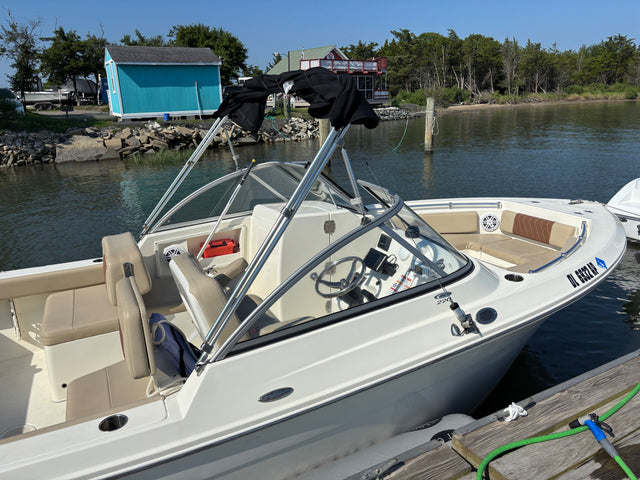
Fall Boating in New Jersey: Best Spots and What to Know
Ask a seasoned Jersey boater when they most love being on the water, and a surprising number will say fall....
Read article →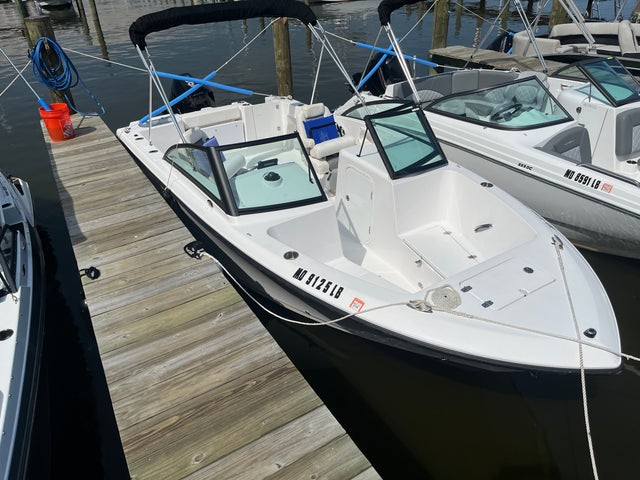
Center Console vs Dual Console vs Bowrider: Choosing a 22-Footer
Shopping for a 21- to 24-foot boat? Here is how center console, dual console, and bowrider layouts compare for fishing,...
Read article →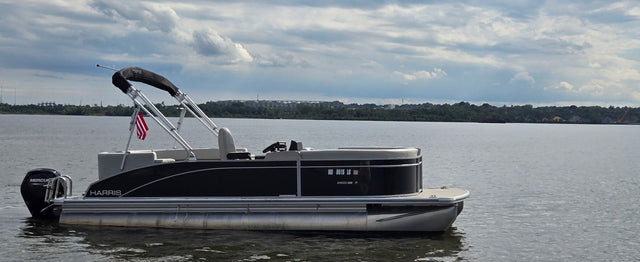
How Much Does It Really Cost to Own a Boat in 2026?
Purchase price is only the beginning. Here is the real cost of owning a boat in 2026 — from insurance...
Read article →