
Buying a Boat
Buying a Boat in Time for Summer: What Mid-Atlantic Boaters Need to Know
If you want to buy a boat before summer, timing matters. In the Mid‑Atlantic, the best weekends arrive fast, inventory changes quickly, and the difference between shopping in June and waiting until July can affect selection, pricing, delivery, service scheduling, financing, and how many days you actually spend on the water.
For boaters in Maryland, Delaware, New Jersey, and New York, summer boating is not one single experience. A Chesapeake Bay family looking for a comfortable dual console has different needs than a Jersey Shore angler comparing center consoles, a Delaware Bay boater weighing saltwater capability, or a Hudson River buyer who wants an easy cruising boat for day trips. The right boat depends on where you boat, who comes with you, how you plan to use it, and whether ownership or boat club access makes more sense.
This guide breaks down what Mid‑Atlantic boaters should know before buying, including boat types, local waterway considerations, timing, inspection priorities, budget items, and two clear paths through Liberty Boat Group: Browse Boats or Join the Club.

Why June Is a Critical Month to Buy a Boat Before Summer
June is one of the most important months for boat shoppers in the Mid‑Atlantic because the season is already underway. By this point, many buyers have moved from casual browsing to serious decision making. Families are planning vacations, fishing calendars are filling up, marinas are busy, and warm weather weekends are no longer theoretical.
If your goal is to buy a boat before summer is in full swing, June gives you a narrow but valuable window. You can still find strong options, but the process needs to be practical and focused.
There are three reasons June matters.
First, inventory moves faster. Popular models, especially versatile family and fishing boats, can sell quickly once the weather turns. Boats that fit broad use cases, such as center consoles, dual consoles, bowriders, pontoons, and tritoons, tend to attract buyers who want to be on the water immediately.
Second, delivery and prep schedules matter. Buying a boat is not always as simple as signing paperwork and driving away. Depending on the boat, there may be financing steps, registration, detailing, engine checks, electronics review, safety gear setup, trailer coordination, or delivery scheduling. Starting earlier in June gives you a better chance of enjoying more of the season.
Third, your real boating needs become clearer. Once summer plans are real, it is easier to decide whether you need fishing capability, extra seating, shade, storage, shallow water access, watersports features, or a simple cruising layout. A buyer who says “we want a boat” in March may realize by June that they specifically need a tritoon for family sandbar days, a dual console for mixed cruising and fishing, or a center console for the Chesapeake Bay, Delaware Bay, or Jersey Shore.
Start With How You Actually Boat
Before comparing brands, horsepower, electronics, or seating layouts, start with your real use case. A boat that looks great online may not be the best choice for your water, your crew, or your weekend routine.
Ask yourself these questions before you buy.
- How many people will usually be on board? A couple that fishes early mornings has different needs than a family of six hosting guests. Seating capacity, storage, shade, and deck space all become more important as your usual crew grows.
- Will you fish, cruise, tow, entertain, or do a mix? If fishing is the priority, a center console may make the most sense. If your family wants comfortable seating, easy movement, and occasional fishing, a dual console may be a better fit. If you want relaxed lake, river, or bay cruising, pontoons and tritoons deserve a serious look.
- Where will you use the boat most often? A boat used around the Chesapeake Bay may need different handling, range, and comfort features than one used mainly on protected rivers. A Jersey Shore buyer may prioritize saltwater readiness and offshore capable design. A Hudson River boater may value comfort, easy docking, and efficient cruising.
- Do you want to trailer the boat or keep it at a marina? Trailering gives flexibility, but it adds requirements for a tow vehicle, trailer storage, launch ramp comfort, and maintenance. Marina storage can simplify the weekend experience, but availability and cost vary by location.
- How much maintenance do you realistically want? Boat ownership is rewarding, but it includes cleaning, service, winterization, storage, and seasonal preparation. If you want access without the ownership workload, Freedom Boat Club may be a better route.
These questions help prevent a common mistake: buying for the idealized version of boating instead of the way you will actually use the boat every weekend.
Mid‑Atlantic Boating Conditions to Consider
The Mid‑Atlantic offers some of the best boating variety in the country, but local conditions should guide your buying decision.
Maryland and the Chesapeake Bay
The Chesapeake Bay is a major boating destination with broad cruising areas, fishing grounds, coves, rivers, waterfront towns, and family friendly destinations. Conditions can vary from calm protected creeks to open bay chop. Buyers in Maryland often need a boat that balances comfort and capability.
For Chesapeake Bay boating, consider:
- Hull design and ride comfort for changing chop.
- Enough freeboard for confidence in open water.
- Shade for long summer days.
- Storage for safety gear, fishing equipment, coolers, towels, and family items.
- Reliable electronics if you plan to explore new areas.
Center consoles, dual consoles, bowriders, pontoons, and tritoons can all work in parts of the Chesapeake, but the best fit depends on whether you are fishing, cruising, entertaining, or staying mostly in protected tributaries.
Delaware and Delaware Bay
Delaware boaters often balance bay access, coastal conditions, inlets, and family cruising. Delaware Bay can be wide and exposed, with conditions that change quickly. Saltwater use also makes maintenance, corrosion resistance, and proper cleaning especially important.
For Delaware Bay and coastal Delaware buyers, focus on:
- Saltwater‑ready hardware and finishes.
- A hull that feels secure in open water.
- Good drainage and nonskid surfaces.
- Easy washdown if fishing or beach cruising is part of the plan.
- Engine reliability and service access.
A center console is a natural option for fishing focused buyers. A dual console can be a smart compromise for families who want comfort without giving up fishability.
New Jersey and the Jersey Shore
The Jersey Shore has a wide range of boating lifestyles, from back bay cruising to inlet running, nearshore fishing, sandbar days, and waterfront dining. Buyers should be honest about whether they will stay in protected water or plan to run outside.
For Jersey Shore boating, consider:
- Whether the boat is suited for back bays, inlets, or nearshore waters.
- Seating and shade for family beach days.
- Fishing layout if targeting fluke, striped bass, tuna runs, or inshore species.
- Trailerability if you plan to explore multiple launch points.
- Storage and cleaning needs after saltwater use.
Brands such as Cobia, Key West, Scout, NauticStar, Trophy, and Bayliner may appear in different shopping conversations depending on the model, budget, and use case. The brand matters, but the right layout and condition matter just as much.
New York and the Hudson River
New York boaters around the Hudson River often value cruising comfort, easy handling, fuel efficiency, and flexible layouts. The Hudson offers scenic day trips, waterfront restaurants, city views, and access to broader cruising routes for experienced boaters.
For Hudson River boating, consider:
- Comfortable seating for longer cruises.
- Good visibility from the helm.
- Predictable docking manners.
- A layout that works for guests.
- Safety gear and navigation tools for changing current, traffic, and weather.
Bowriders, dual consoles, pontoons, and tritoons can be especially appealing for relaxed cruising and family use in suitable areas.
Best Boat Types for Summer in the Mid‑Atlantic
There is no single “best boat” for every buyer. The right choice depends on where you boat and what you want summer to look like. Here are the most common types Mid‑Atlantic buyers should compare.
Center Console
A center console is one of the most versatile choices for anglers and active boaters. The helm is located near the center, allowing walkaround access, open deck space, and strong visibility. This layout is especially useful for fishing, casting, handling lines, and moving around safely.
A center console may be right if you:
- Plan to fish often.
- Want a layout that works in saltwater.
- Need open deck space.
- Like simple cleanup.
- Want flexibility for the Chesapeake Bay, Delaware Bay, or Jersey Shore.
Center consoles can still work for family cruising, especially when equipped with forward seating, cushions, a T‑top, and storage. Examples from brands such as Cobia, Key West, Scout, NauticStar, Trophy, Shallow Bay, and Bayliner may be worth comparing depending on your budget and intended water.

Dual Console
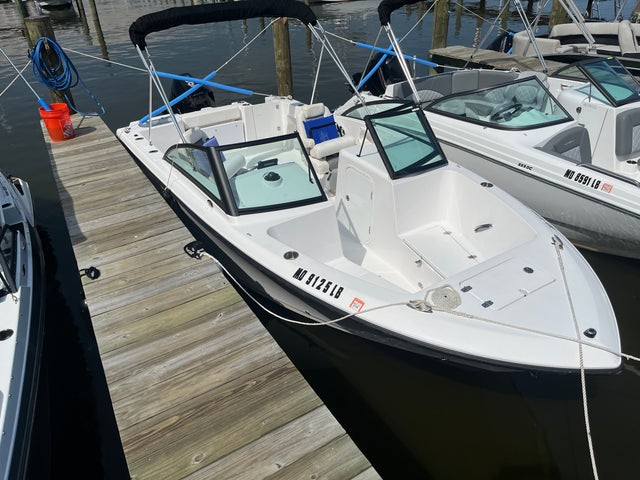
A dual console is a strong choice for families who want one boat to do several things well. With seating on both sides, a walk‑through windshield, and a more protected cockpit, dual consoles are comfortable for cruising, tubing, entertaining, and light fishing.
A dual console may be right if you:
- Want a family friendly boat with fishing flexibility.
- Need more wind protection than a center console.
- Cruise with kids or guests.
- Want comfortable seating and storage.
- Need a balanced layout for mixed use.
For Mid‑Atlantic buyers who split time between fishing mornings and family afternoons, the dual console category can be one of the smartest options.
Bowrider
A bowrider is built for day boating, comfort, and fun. The open bow seating creates a social layout that works well for families, couples, and guests. Bowriders are popular for cruising, watersports, swimming, and relaxed summer outings.
A bowrider may be right if you:
- Boat mostly in protected waters.
- Prioritize seating and comfort.
- Want a sporty feel.
- Enjoy tubing or watersports.
- Need an approachable first boat.
Bayliner and similar recreational brands are often part of bowrider shopping conversations because they offer practical, family oriented layouts. As always, the right model depends on condition, engine setup, size, and waterway.
Pontoon
A pontoon is ideal for relaxed cruising, entertaining, and family time. Pontoons offer wide decks, comfortable seating, easy boarding, and plenty of room. They are especially appealing for boaters who want a floating patio experience on protected bays, rivers, lakes, and calmer waterways.
A pontoon may be right if you:
- Want maximum seating and comfort.
- Prefer slow to moderate cruising.
- Entertain family and friends.
- Need easy boarding.
- Boat primarily in calmer water.
Cypress Cay and Harris are examples of brands often associated with pontoon and luxury pontoon conversations. For many families, a pontoon is the easiest way to get everyone on the water comfortably.
Tritoon
A tritoon uses three tubes instead of two, which can improve performance, stability, handling, and horsepower capacity. Tritoons are popular with buyers who like the comfort of a pontoon but want more capability.
A tritoon may be right if you:
- Want better performance than a traditional pontoon.
- Need more confident handling.
- Plan to carry larger groups.
- Want watersports capability in the right setup.
- Boat on larger rivers, bays, or open areas where conditions vary.
For Mid‑Atlantic families who want comfort but do not want to feel limited, a tritoon can be a strong summer choice.
New vs. Used Boats: What to Know Before You Decide
When trying to buy a boat before summer, one of the biggest decisions is whether to buy new or used.
A new boat gives you the appeal of current features, clean condition, warranty coverage, and the confidence of being the first owner. It may also offer updated electronics, modern seating, improved storage, and newer engine technology. For buyers who want a straightforward ownership experience and plan to keep the boat for years, new can be attractive.
A used boat can offer strong value, especially if it has been well maintained. Used inventory may allow you to move into a larger size, higher trim, or more capable layout than your budget would allow new. However, condition and service history matter. A used boat should be evaluated carefully, especially if it has seen saltwater use.
When comparing new and used, look at more than the purchase price. Consider:
- Engine hours and the quality of the service records.
- Warranty status and what coverage transfers to you.
- Condition of the hull, gelcoat, upholstery, and canvas.
- The age of the electronics and whether they will need updating.
- Whether the boat has spent time in saltwater and how it was cared for.
- The total cost of ownership over the years you plan to keep it, not just the sticker price.
A well‑maintained used boat from a trusted dealer can be an excellent value. The key is knowing what you are looking at, which leads directly to the next step.
What to Check Before You Buy
Whether you are looking at new or used, a short inspection checklist protects you from surprises after the sale. Do not rely on the showroom shine alone. Look closely, ask questions, and confirm the details that affect safety, reliability, and long‑term cost.
Before you commit, check:
- The hull and gelcoat for cracks, soft spots, blistering, or signs of hard use.
- The engine and its hours, along with oil condition, service records, and how it starts and runs.
- Electronics and wiring to confirm the age of the screens, the condition of connections, and what may need updating.
- Seating, upholstery, and canvas for wear, mildew, and tears that add cost later.
- Safety gear and required equipment so you know what comes with the boat and what you will need to add.
- The trailer, if included, for tire condition, bearings, lights, and frame integrity.
- Title, registration, and documentation so ownership transfers cleanly.
Most importantly, take a sea trial. A boat that looks perfect at the dock can feel very different under power. Run it up to speed, listen to the engine under load, check how it handles chop, and confirm the layout works for your crew. A trusted dealer like Liberty Boat Group can walk you through each of these steps and help you understand what you are seeing.
Ownership Costs Beyond the Purchase Price
The purchase price is only part of the picture. Build your budget around the real cost of ownership so the season stays fun instead of stressful. Plan for:
- Registration, title, and applicable taxes.
- Insurance, and if you finance, your monthly payment.
- A marina slip, dry stack storage, or trailer storage.
- Fuel for the way you actually run the boat.
- Routine maintenance such as oil changes, engine service, and hull cleaning.
- Winterization in the fall and spring commissioning before the season.
- Cleaning, detailing, and the occasional unexpected repair.
- Safety equipment and any electronics you want to add.
None of this should scare you away from ownership. The point is simply to plan ahead so there are no surprises. Buyers who budget for the full cost of ownership tend to enjoy their boats more, because the running costs are expected rather than stressful. If you would rather skip much of this list entirely, that is exactly where a boat club comes in.
How to Move Fast Without Making a Rushed Decision
June rewards buyers who are ready to act, but moving quickly is not the same as rushing. The goal is to be decisive on the right boat, not impulsive on the wrong one. A little preparation lets you do both.
- Get clear on your use case first. If you already know your water, your crew size, and how you will use the boat, you can evaluate options quickly and confidently.
- Line up financing early. Knowing your budget and getting pre‑approved means you can act when the right boat appears instead of scrambling later.
- Shortlist two or three boats that genuinely fit. Comparing a focused list is faster and clearer than chasing every listing.
- Schedule sea trials promptly. The best summer‑ready boats move fast, so do not wait weeks to see them in person.
- Lean on your dealer for prep timing. Ask about detailing, registration, service, and delivery so you know when you will actually be on the water.
- Be ready to say yes. When a boat checks your boxes, condition is good, and the sea trial confirms it, a prepared buyer can move without second‑guessing.
With this approach, you can buy a boat before summer is in full swing and still feel confident in the decision.
Boat Ownership vs. Freedom Boat Club
Buying is not the only way to get on the water this summer. Before you decide, it is worth comparing ownership with membership in Freedom Boat Club, available through Liberty Boat Group.
Ownership gives you control, customization, and pride. Your boat is set up the way you want it, ready for your specific activities, with your gear on board and your name on the transom. In exchange, you take on maintenance, storage, insurance, winterization, and the seasonal work that ownership involves.
A boat club gives you access without most of that workload. Members reserve a boat, arrive at the marina, enjoy their time on the water, and return it, while the club handles maintenance, storage, and seasonal preparation. For busy families, new boaters, or anyone who wants boating without another asset to manage, that convenience can be the deciding factor.
Neither path is automatically better. Frequent boaters who want their own vessel often lean toward ownership, while occasional boaters who value simplicity often prefer the club. Many people even start with the club to learn what they enjoy before buying. The good news is that Liberty Boat Group can help you compare both and choose the path that fits your life.
Your Two Best Next Steps
Whichever direction fits you, the fastest way to enjoy the summer is to take one clear next step.
If you want a boat of your own, Browse Boats and focus on available inventory that fits your waterway, crew, and use case. If you want convenience without ownership responsibilities, Join the Club and explore Freedom Boat Club access across the region.
Browse Boats for Sale Join the Club
Frequently Asked Questions
Is June too late to buy a boat before summer?
June is not too late, but you should move with focus. Inventory can change quickly, and delivery, registration, financing, and prep may take time. If you want to buy a boat before summer weekends are fully booked, start comparing available boats as soon as possible.
What is the best boat for the Chesapeake Bay?
The best boat depends on how you use the Chesapeake Bay. Center consoles are popular for fishing, dual consoles work well for mixed family use, and tritoons or pontoons may fit protected rivers and cruising areas. Consider chop, distance, crew size, storage, shade, and your comfort level.
What type of boat is best for the Jersey Shore?
For fishing and saltwater use, many Jersey Shore buyers look at center consoles. For family cruising and mixed use, dual consoles are also popular. If you stay in protected back bays, bowriders, pontoons, and tritoons may also be options depending on conditions.
Should I buy a center console or dual console?
Choose a center console if fishing, open deck space, and saltwater utility are priorities. Choose a dual console if you want more family comfort, wind protection, seating, and flexibility for cruising, watersports, and occasional fishing.
Are pontoons and tritoons good for Mid‑Atlantic boating?
Yes, in the right conditions. Pontoons are excellent for relaxed cruising, entertaining, and protected waters. Tritoons add performance, stability, and capability, making them attractive for larger waterways and families who want more versatility. Always match the boat to your specific waterway.
What should first‑time boat buyers check before purchasing?
First‑time buyers should review the hull, engine, service history, electronics, seating, safety gear, trailer, storage plan, insurance, and total ownership cost. They should also be honest about whether they want the responsibilities of ownership or would prefer a club option.
Is Freedom Boat Club better than buying a boat?
Freedom Boat Club may be better if you want boating access without maintenance, storage, cleaning, winterization, and ownership costs. Buying may be better if you want your own boat, full control, customization, and frequent use. Many buyers compare both before deciding.
How do I choose between a bowrider, pontoon, and tritoon?
Choose a bowrider if you want a sporty family boat for cruising and watersports. Choose a pontoon if comfort, seating, and relaxed entertaining are most important. Choose a tritoon if you want pontoon comfort with better performance and handling.
What brands should I consider?
Brand should be considered alongside condition, layout, engine, dealer support, and intended use. Depending on the boat type and inventory, examples may include Bayliner, Cobia, Cypress Cay, Harris, Key West, NauticStar, Scout, Shallow Bay, and Trophy.
What is the fastest way to get on the water this summer?
The fastest path is to decide whether you want to own or join a club. If you want ownership, Browse Boats and focus on available inventory that fits your waterway and use case. If you want convenience without ownership responsibilities, Join the Club and explore Freedom Boat Club access.
Ready to start looking?
Browse current inventory, or estimate a monthly payment before you fall in love with a hull.
Related articles
Center Console vs Dual Console vs Bowrider: Choosing a 22-Footer
Shopping for a 21- to 24-foot boat? Here is how center console, dual console, and bowrider layouts compare for fishing,...
Read article →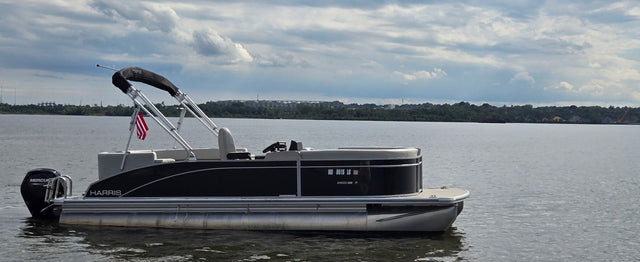
How Much Does It Really Cost to Own a Boat in 2026?
Purchase price is only the beginning. Here is the real cost of owning a boat in 2026 — from insurance...
Read article →
10 Best Boating Day Trips from Annapolis and the Chesapeake
Annapolis is one of the best launch points on the Chesapeake Bay because it gives boaters a rare mix of...
Read article →